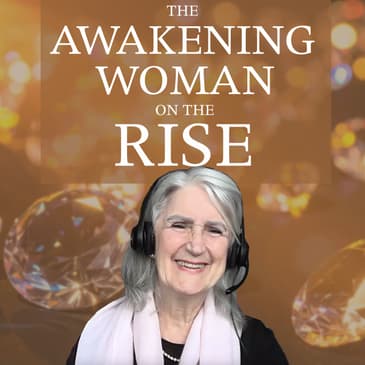
In this powerful episode of The Awakening Woman on the Rise, host Wendy welcomes Brooke Bowman, who shares her remarkable journey from addiction, homelessness, and an abusive relationship to self-discovery, healing, and happiness.
Through an honest and inspiring conversation, Brooke explores how overcoming shame, embracing self-acceptance, reconnecting with her emotions, and learning to trust her intuition transformed her life. Together, they discuss the importance of self-forgiveness, meaningful connections, and finding happiness by living in alignment with your authentic self.
A moving reminder that no matter how difficult our circumstances, change is possible, and it's never too late to reclaim your life.
Highlights:
Brooke discusses moving beyond excessive independence to develop genuine friendships, supportive communities, and reciprocal relationships that contribute to a more fulfilling and resilient life.
- Overcoming Addiction, Homelessness, and Trauma
- The Power of Self-Acceptance and Overcoming Shame
- Reconnecting with Emotions and Trusting Your Intuition
- Finding Happiness from Within
- Building Meaningful Connections and Support Systems
About the Guest:
Brooke Bowman has lived many lives. She’s been a commercial fisherman, a sex worker, a drug addict. She spent 2.5 years homeless. Now she thinks a lot about happiness, community, culture, and how to create conditions where people are most likely to thrive. Some of that work finds expression through Vibecamp, a yearly gathering she began with her Twitter friends back in 2021. She is also writing a memoir and may post essays now and then on her substack, so follow her there for more tales of adventure, introspection, and surprising moments of connection.
Connect with Brooke Bowman:
Website : https://brooke.wtf
Twitter (x): https://x.com/gptbrooke
Vibecamp: https://vibe.camp/
Substack: https://brookebowman.substack.com/
Don’t forget to check out our GIFT VAULT - updated weekly for more gifts from other guests on this podcast and other podcasts in our network.
https://network.inspiredspeakernetwork.com/vault
About the Host:
Loving to learn, grow, and share what she learns, Wendy most values opportunities life consistently presents for authentic, richer, more fulfilled living. Trained and practiced in New Thought principles and various studies for well over two decades, Wendy believes we are powerful beyond what many have been raised to believe, that we are born with our own affinities of talent and ability for the purpose of not only our own life fulfillment, but to help others. In this, Wendy provides support through speaking, teaching & coaching, ever validating and supporting the power of choice to create greater good for all.
Connect with Wendy:
Website: https://weddingceremonyvancouver.ca
LinkedIn: https://www.linkedin.com/in/wendy-yacboski
Instagram: https://Instagram.com/coachrev8
Facebook: https://facebook.com/wendy.yacboski
YouTube: https://www.youtube.com/@sacredceremoniescommunity
The Awakening Woman On The Rise is proud to be on the Inspired Speaker Network, in partnership with AmplifYou (https://amplifyou.com/).
⭐⭐⭐⭐⭐Don’t forget to follow, rate & review. It helps us reach more people who want to use their voice to create positive change in the world, like you.
⭐Check out More Shows from the Network and connect with our podcasting community at https://inspiredspeakernetwork.com/
⭐Visit our GIFT VAULT - updated weekly for more gifts from other guests on this podcast and other podcasts in our network.
https://network.inspiredspeakernetwork.com/vault
⭐Do you have some feedback or questions about this episode? Leave a comment! We’d love to hear from you!
You are listening to The Awakening Woman on the Rise. If you are a woman who is
Speaker:seeking to live a more authentic life but are feeling not enough to step out fully
Speaker:just yet, you are in the right place. If you are a woman who is looking to live
Speaker:your personal truth and make the impact you truly desire, you are in the right
Speaker:place. I'm your host, Wendy Yacboski. Let's step out in this together. So welcome
Speaker:everyone to this interview of The Awakening Woman on the Rise and I am so
Speaker:excited to talk to my guest today, Brooke Bowman, who has come back from a life
Speaker:that many people believe not possible to come back from. But here today we're
Speaker:going to learn that it is possible and I'm so thrilled to hear what you have to
Speaker:share, Brooke. Thank you so much for having me. It's wonderful to be here.
Speaker:So what I know, Brooke, and speak to what feels right for you is that for 10
Speaker:years you were experiencing life as a heroin addict and also two and a half
Speaker:years homeless. Now, I don't know if those were within the same 10 years, but what
Speaker:would you like to share with us about maybe how it happened, how it went?
Speaker:So I'll let you speak now.
Speaker:Yeah, yeah. So it was quite a bit of time. I started using heroin, I was
Speaker:probably 19 or 20, and it fairly quickly became a daily habit. It's a
Speaker:little bit of a funny story, because I got it in my head that I wanted to
Speaker:find out what withdrawal was like. I had a bunch of sort of personal growth
Speaker:practices at the time, and one of them that I briefly flirted with was to
Speaker:put myself in the shoes of people that I looked down on or felt judgment
Speaker:towards. A lot of this was ego, too. I was just, you know, I thought I
Speaker:could handle it. So the first time I tried it, it was really the second
Speaker:time. But the first time I really intentionally decided to try it was I
Speaker:spent a weekend smoking with a friend, and I wanted to try to trigger
Speaker:withdrawal symptoms. And that didn't work. So then I smoked it for two
Speaker:weeks straight. And that was enough time. And then 10 years later,
Speaker:wow, and I did actually quit. So I started the last time I recreationally
Speaker:used an opiate was would have been 2017, I think. And that is around
Speaker:when I became homeless. So I call it graduating from heroin to crystal
Speaker:meth, because I actually think crystal meth is far worse for you than
Speaker:heroin is. I think that heroin tends to get a stronger hold on people,
Speaker:but the damage that I did to my body and life when I was using crystal
Speaker:meth was much worse. And that one I used off and on for the two and a
Speaker:while, I was homeless, and sort of had a bunch of things happen while I
Speaker:was homeless, that led to kind of one of those cloud partying moments
Speaker:where all of a sudden, everything felt like it was okay, and it was
Speaker:going to be okay. And my life has just been on a pretty steady upward
Speaker:climb since then.
Speaker:Wow, sounds like an awakening to me.
Speaker:Yeah, you know, go ahead.
Speaker:Oh, I was just gonna say I read some about, you know, people talking
Speaker:about being born again, and sort of religious context after that
Speaker:experience. And it really is kind of one of the closest ways to
Speaker:describing how I felt, you know, my palate changed, the kind of
Speaker:foods that I liked changed. I remember one time somebody asked
Speaker:me if I was afraid of heights, and I was just, I just said, I
Speaker:don't know, I haven't been somewhere high since I became
Speaker:this new person. I just don't know. So much about so much
Speaker:about even my preferences changed when that sort of light switch
Speaker:happened.
Speaker:You know, I have a question, Brooke, that perhaps other people
Speaker:wonder as well, but I'll just ask it on my own behalf, is it? What
Speaker:did heroin and perhaps crystal meth give you that you thought you
Speaker:didn't have? Is it fair to ask it in that way?
Speaker:Absolutely. Yeah, I believe, you know, I think it's, it's a
Speaker:little bit of a misdirection to consider drug addictions as
Speaker:this entirely different class of things and say food addictions
Speaker:or our screen addictions, things like that. I think that
Speaker:they're all trying to meet some need that that hasn't been in
Speaker:other ways. And you can kind of break up my adult life in
Speaker:chunks. So I started with MDMA. And I think that that one, I
Speaker:think I just had some PTSD from my childhood. And I was
Speaker:unintentionally, you know, I didn't go out and party on it.
Speaker:I sat in a small group with friends. And we talked about
Speaker:our childhoods. And we talked about how much we liked each
Speaker:other and the reasons we liked each other. And it was really
Speaker:healing for me. So I think that was MDMA. I did that
Speaker:fairly regularly for about a year. And then college was
Speaker:cocaine. I use that one for personal growth, I could go off
Speaker:on that one for quite a while. But then that sort of led to
Speaker:heroin. And looking back, I think I have it's hard to
Speaker:know, it's hard to put myself back into who I was before and
Speaker:the way that I perceive the world. But now I'm very aware
Speaker:I have some pretty, pretty severe sensory sensitivities,
Speaker:not not all the way, you know, it's not debilitating. But I
Speaker:do notice I start to head starts to feel full of static
Speaker:when there's a bunch of conversations happening around
Speaker:me and loud noises are hard and bright lights are hard. And I
Speaker:was just I think I was so disconnected from my body and
Speaker:from what what was actually happening in the moment that I
Speaker:was trying to kind of force myself to fit a life that
Speaker:didn't really fit with my neurotype. And I because I
Speaker:you know, some people describe heroin as very euphoric. And I
Speaker:believe that that is a possible feeling that you can get from
Speaker:it. But it was never euphoric for me. It was the best
Speaker:description description I've heard of it is it's like a
Speaker:warm washcloth over your mind. So really just like it cleared
Speaker:out some of that static, I think some of the sensory
Speaker:stuff. And then much bigger than that, I think I was just a
Speaker:severely anxious person. And I and that I didn't want to be
Speaker:an anxious person, I consider myself, you know, tough and
Speaker:stoic and all these things. I was just I was just
Speaker:bottling it up. It was it really was there. And because
Speaker:I had this big blind spot around it, I think that a lot
Speaker:of my hair and use was treating that that anxiety
Speaker:and that stress. And once I got better at managing that
Speaker:I didn't I didn't need so much anymore.
Speaker:Yeah, that's so powerful book, because I don't know of
Speaker:many people that aren't aren't struggling with childhood
Speaker:things or things that are expected of them that are so
Speaker:not not who they are, which is to me is as part of the
Speaker:awakening that I hope to to support and foster through
Speaker:this podcast. But there's so much that's going on that
Speaker:sometimes people just don't know where to turn to get
Speaker:maybe the feeling that they want. I know somebody that
Speaker:used to take care when because it made them feel
Speaker:powerful. You know, so if we're not feeling power,
Speaker:which is a which is an intrinsic part of us power or
Speaker:empowerment. You don't know where to get it. You
Speaker:don't know where to look for it. And the people that
Speaker:are in your circle can't give it to you because
Speaker:they're, you know, probably part of that old stuff,
Speaker:you know, so I can I can really see and how how it
Speaker:can be. I know that you had your reasons for for
Speaker:starting, right? But I think that we have a natural
Speaker:knowing or experience that's not conscious of ease
Speaker:and joy in our life. And we keep trying to get back
Speaker:to it. And we do it in whatever way works. It's
Speaker:kind of like, you know, to meet those needs. I
Speaker:remember a term I've never forgotten, Brooke, and
Speaker:it's called things that we would crawl over
Speaker:crushed glass for. Right? Because that need is so
Speaker:primary. So important that we do what it takes.
Speaker:And sometimes on a physiological level, though it
Speaker:can take over, I guess, you know, but did did you
Speaker:find Brooke that you struggled with it at all or
Speaker:kind of was it a progression for you?
Speaker:Oh, can you can you expand that question? But I'm
Speaker:not sure I understand exactly what you're asking.
Speaker:Well, I know that when I'm doing things that my
Speaker:brain is saying, Wendy, you shouldn't be doing
Speaker:that. Or, you know, are you crazy or whatever,
Speaker:you know, it says so I kind of fight with myself.
Speaker:I don't I don't just go, I'll stop when I'm ready,
Speaker:or, you know, so that kind of thing, if that makes
Speaker:sense. Well, to answer your question, maybe a
Speaker:little bit indirectly, that was one of the things
Speaker:that really stood out to me, sort of when I
Speaker:transitioned away from from this stuff, because
Speaker:you know, I mentioned that I had this moment, I
Speaker:kind of call it my happiness switch flipping,
Speaker:when you know, this is a year or two after I
Speaker:put opiates, but I was using crystal meth and I
Speaker:was homeless. When I had a domestic violence
Speaker:situation that was kind of ongoing, and a near
Speaker:death experience involving that relationship.
Speaker:And it was it was not very long after that,
Speaker:that I and I could I think it's it's a little
Speaker:bit of a tale, I could go into more detail on
Speaker:how I got to this, this sort of realization
Speaker:afterwards. But after that point, I just I just
Speaker:realized that trying to let me back up just a
Speaker:little bit. The my reasons for using change,
Speaker:I kept using crystal meth for a little while
Speaker:after that. But my entire life up to that point,
Speaker:you know, I'd had this sort of sense of
Speaker:dissonance, where part of me knew that it was
Speaker:bad, that I was still using it. But like also I
Speaker:had these reasons that I liked it for whatever.
Speaker:But I think at a certain point, I had begun
Speaker:using to treat the shame of using. And it
Speaker:was this near death experience. And also just
Speaker:kind of, you know, when I'd gotten on the
Speaker:street, I that forced me to kind of reckon
Speaker:with, you know, there were there were things
Speaker:wrong in my brain. You know, I had obviously
Speaker:I'd made some some wrong decisions and all
Speaker:that, in a way that I'd never really had to
Speaker:confront before. And it was this sort of near
Speaker:death experience and the processing that
Speaker:followed it, that led me to realizing, you
Speaker:know, I make sense as a person, you know, I
Speaker:had all these things that were difficult
Speaker:about my childhood and other sort of
Speaker:experiences that happened that that kind of
Speaker:come together to make me make me who I am
Speaker:now. And again, it kind of makes sense
Speaker:that I'd be a little bit a little bit
Speaker:messed up after all of that. And, you know,
Speaker:I was I was self medicating in a way. And
Speaker:then I had just had this really, like,
Speaker:pretty objectively, let's say traumatizing
Speaker:experience with my with my ex attacking
Speaker:me. And, you know, I think that's like a
Speaker:totally fine reason for someone who is
Speaker:homeless to continue using drugs. And in
Speaker:that stretch, I just felt so clear
Speaker:within myself that I was using just to
Speaker:cope with this traumatic experience
Speaker:because I had nothing better to rely on
Speaker:and that I was going to stop when I
Speaker:was done. And it just and I just had
Speaker:this conflict. I just knew that that
Speaker:was going to be the case. And, and, and
Speaker:it just felt different. It didn't feel
Speaker:like this life sentence, like using
Speaker:drugs had felt like for the rest of my
Speaker:life. It was like, no, this is the best
Speaker:I could do. And, you know, it really
Speaker:is the best I could do. And that's
Speaker:okay. And then as soon as I don't need
Speaker:anymore, I'm going to stop. And then I
Speaker:think repeated moments of like having
Speaker:this forgiveness for myself, and and
Speaker:sort of trusting my future self and
Speaker:then the future self actually going
Speaker:ahead. And yes, we did stop after,
Speaker:you know, after sort of got a few
Speaker:other things sorted, really sort of
Speaker:building up a lot more confidence in
Speaker:my intuitions.
Speaker:Oh, wow, Brooke. That's just so
Speaker:amazing. Like what I'm hearing in what
Speaker:you just shared apart from the actual
Speaker:experience of it, which must have been
Speaker:horrible, is intuition. Like that,
Speaker:that higher intelligent part of you,
Speaker:whatever we call it, right? As I've
Speaker:learned, it's always speaking to us.
Speaker:But when we're busy in our mind,
Speaker:when we're busy, well, when we're
Speaker:busy, physically, we're probably
Speaker:busy mentally, but we can't hear it.
Speaker:And sometimes it takes that an
Speaker:aftermath of almost intensity to
Speaker:stop. And another thought will pop
Speaker:up, you know, and I just think it's
Speaker:so fabulous that some part of you,
Speaker:your future self, you know, said to
Speaker:you, this isn't forever. And, and
Speaker:there was a part of you that accepted
Speaker:it as true. It was kind of like you
Speaker:aligned with a part of you that you
Speaker:hadn't been able to access before.
Speaker:Would that be fair?
Speaker:Yes, absolutely.
Speaker:Yeah, yeah. Yeah, it's, you know,
Speaker:that's one of the things that, that
Speaker:I spoke of when I first started this
Speaker:podcast was, was about the the
Speaker:importance of, of pausing. Like, you
Speaker:know, sometimes it's hard in the
Speaker:middle of a, of an anxious moment
Speaker:in the middle of a stressful
Speaker:situation to, to be able to just
Speaker:stop. So when we can practice it,
Speaker:when it's possible, I'm just, I'm
Speaker:just saying this for anyone that's
Speaker:listening, that, that if we can
Speaker:practice a behave, a helpful
Speaker:behavior regularly, then when
Speaker:something happens, it's more
Speaker:familiar. It's more something
Speaker:that we've experienced before. And
Speaker:but you know, so that part for you,
Speaker:it seems to me that you were able
Speaker:to go, yeah, this is not, this is
Speaker:not the end for me. This is not
Speaker:going to be the, this is not what
Speaker:my, my life will, will be in
Speaker:total.
Speaker:Yeah, yeah. And there was also, I
Speaker:think my, my sort of journey on
Speaker:the street, in particular, was one
Speaker:of, of learning to connect with
Speaker:my intuitions in a way that I
Speaker:hadn't in a very long time. When
Speaker:I, when I, you know, my, my
Speaker:mother and I had a lot of
Speaker:conflict growing up. And part of
Speaker:that was, I felt like she cares
Speaker:a lot about external indicators
Speaker:of success. And I care a lot
Speaker:about internal. And I think that
Speaker:created a lot of a lot of
Speaker:tension, because we were kind of
Speaker:driven by different things. And,
Speaker:and that's sort of how I ended
Speaker:up dating this man who turned out
Speaker:to be quite violent was because he
Speaker:externally sort of, you know,
Speaker:he was very handsome, dressed
Speaker:well, he was, he was here on a
Speaker:student visa from Iran, and he
Speaker:worked long hours, and he was
Speaker:going to school. And he seemed to
Speaker:outwardly have his life
Speaker:together in a bunch of ways that
Speaker:I didn't at the time.
Speaker:Internally, he was, he was
Speaker:immediately just, it was clear
Speaker:that he was not a good person.
Speaker:But at the time, you know, I
Speaker:had had this sort of, you know,
Speaker:reckoning when I got on the
Speaker:street, and I realized some of my
Speaker:intuitions were wrong, I just
Speaker:didn't know which ones. And so
Speaker:all of them were kind of equally
Speaker:suspect in my mind. And so I
Speaker:met him and I was like, well,
Speaker:maybe, maybe my mom is right.
Speaker:Maybe, maybe what's in here
Speaker:doesn't really matter. And I've
Speaker:been kind of like, leading
Speaker:myself astray by seeking out,
Speaker:you know, greater sort of, I
Speaker:don't know what words you want
Speaker:to use for a spiritual
Speaker:attainment or however you want
Speaker:to describe it, deeper meaning
Speaker:in life. And so I decided to
Speaker:date this guy. And one of the
Speaker:things that I also realized
Speaker:after the end of this
Speaker:relationship is not that my
Speaker:intuitions were wrong, is
Speaker:that I wasn't trusting them
Speaker:enough. And there was so you
Speaker:know, a lot of times I think
Speaker:it is true that people can
Speaker:come out of situations like
Speaker:that relationship and say
Speaker:like, I just didn't see it
Speaker:coming. You know, there were
Speaker:no signs, I cannot say that,
Speaker:you know, I don't know, I can
Speaker:say that I didn't know
Speaker:exactly that was coming. But
Speaker:there were so many moments
Speaker:where he would say something
Speaker:and I would just be like,
Speaker:that's a weird thing. And
Speaker:then I would just not change
Speaker:my behavior at all. So that
Speaker:was one of my one of my big
Speaker:practices that I got off the
Speaker:street is like watching for
Speaker:those little voices and it
Speaker:still has taken I run into
Speaker:I get this wrong a lot.
Speaker:Still, not as much as I used
Speaker:to. Every once in a while
Speaker:something will go wrong and
Speaker:I'll look back and be like,
Speaker:I noticed this weird thing.
Speaker:I should have put more
Speaker:import on this weird thing.
Speaker:My intuitions are constantly
Speaker:feeding me information about
Speaker:the world. And I just my
Speaker:self esteem was too low. Or
Speaker:or, you know, maybe my
Speaker:insides were too noisy
Speaker:with trying to force
Speaker:myself to be someone that
Speaker:I wasn't really, that I
Speaker:just didn't have I didn't
Speaker:pay enough attention to them.
Speaker:So that was that was a big
Speaker:part of it.
Speaker:Yeah. So how would you say
Speaker:Brooke that you moved out
Speaker:of that? I don't know if
Speaker:cycle is is the right word,
Speaker:but after homelessness, how
Speaker:did that happen for you?
Speaker:Well, so I early on in that
Speaker:relationship, I we had a
Speaker:moment where I realized
Speaker:this, you know, he told me
Speaker:about this, I'll go a
Speaker:little bit of detail. I
Speaker:let me over get it close to
Speaker:time here. But he told me
Speaker:about this girl. They had
Speaker:this really intense crush
Speaker:on kind of from a distance.
Speaker:He didn't really talk to
Speaker:her much. And and he
Speaker:expressed his feelings,
Speaker:you know, confess his
Speaker:feelings. And she either
Speaker:didn't reply or responded
Speaker:flippantly. And he had
Speaker:going out to a bar with
Speaker:some friends and they kept
Speaker:just being like, you know,
Speaker:she's a crush, he'll get
Speaker:over it. And he was so
Speaker:depressing to be around.
Speaker:They ditched him. He
Speaker:ended up going out on
Speaker:the streets and waking
Speaker:up in the hospital
Speaker:because he'd smoked two
Speaker:packs of cigarettes and
Speaker:had a heart attack. And
Speaker:he was young. He was
Speaker:like early 20s. And early
Speaker:maybe 19 at the time this
Speaker:happened or something. And
Speaker:at the time, instead of
Speaker:being like, wow, heart
Speaker:attack that young and
Speaker:like, you know, this is
Speaker:this is kind of an
Speaker:obsessive thing. He
Speaker:didn't really know her
Speaker:that well, instead of
Speaker:being like, wow, that's
Speaker:kind of a red flag. I
Speaker:was I felt, you know,
Speaker:like, maybe I should
Speaker:take care of this person.
Speaker:You know, I had an
Speaker:unrequited crush back in
Speaker:high school and I got
Speaker:over it. It turned out
Speaker:later that that he'd
Speaker:likely tried to put
Speaker:tracking devices on her
Speaker:car. This was not, this
Speaker:is not your typical
Speaker:unrequited high school
Speaker:situation. But I didn't
Speaker:know that at the time, at
Speaker:the time, I just I was I
Speaker:just told myself, you
Speaker:know, I have all this
Speaker:trauma from from, you
Speaker:know, the past year or
Speaker:so on the street that I
Speaker:will deal with, but not
Speaker:right now. Right now,
Speaker:this person needs me. And
Speaker:so within the span of a
Speaker:couple of weeks while
Speaker:dating this person, I
Speaker:stopped using, I got a
Speaker:couple of jobs. I was
Speaker:like, I turned myself
Speaker:into the person that I
Speaker:thought he needed me to
Speaker:be, you know, I just
Speaker:like, I gotta, I gotta,
Speaker:I gotta stop being
Speaker:immature, I gotta get my
Speaker:shit together for this
Speaker:person. And they of
Speaker:course, that doesn't
Speaker:work. You know, if
Speaker:somebody's being mean to
Speaker:you, they're not gonna
Speaker:stop being mean to you
Speaker:just because you change
Speaker:the things that they are
Speaker:criticizing. But because
Speaker:I had just been able to
Speaker:change so much about my
Speaker:life that rapidly, I
Speaker:realized coming out of
Speaker:it, that if I could do
Speaker:it for somebody else, I
Speaker:could do it for me. And
Speaker:and I think that was
Speaker:like a big part of of
Speaker:that, that that the
Speaker:happiness switch flipping.
Speaker:And another, I think
Speaker:important thread here,
Speaker:you know, because
Speaker:there are many, many
Speaker:threads, but I had
Speaker:always sort of looked
Speaker:down on people who
Speaker:claimed to be happy. I
Speaker:was never somebody who
Speaker:described myself as
Speaker:happy. I thought if you
Speaker:were really happy, you
Speaker:were either naive or you
Speaker:were lying. And I, yeah,
Speaker:I thought it was just not
Speaker:a noble pursuit in life.
Speaker:You know, you were
Speaker:supposed to be smart or
Speaker:you were supposed to be
Speaker:a martyr or you're
Speaker:supposed to be all these
Speaker:other things. And it was
Speaker:just sort of, you know,
Speaker:I looked down on it.
Speaker:And, and after this,
Speaker:this sort of switch
Speaker:flipped, I found myself
Speaker:just even more
Speaker:homeless. And it's
Speaker:funny, I look at those
Speaker:Maslov's hierarchy of
Speaker:needs now, because I sort
Speaker:of solved my shit and
Speaker:wow, excuse me, I don't
Speaker:know if you're
Speaker:language. Yeah. But I
Speaker:sort of like found
Speaker:happiness while homeless.
Speaker:I would go around and I
Speaker:would set little quests
Speaker:for myself with dumpsters
Speaker:because I did a lot of
Speaker:dumpster diving and I
Speaker:would try to like put
Speaker:together a snack out of
Speaker:just the things I found
Speaker:in the next two dumpsters
Speaker:or I would make up
Speaker:stories about people
Speaker:whose trash I found or,
Speaker:you know, I have a
Speaker:story about a, there's
Speaker:this, that demon that I
Speaker:knew. And I found a
Speaker:shopping cart one day
Speaker:and I'd had these little
Speaker:magnetic butterflies whose
Speaker:wings flapped in the wings
Speaker:and I, I stuck them all
Speaker:over shopping cart. And
Speaker:I just, you know, I
Speaker:listened to a lot of
Speaker:music and I, and I, you
Speaker:know, things were hard
Speaker:things happened. That was
Speaker:not the end of my
Speaker:difficult time on the
Speaker:street. But that was me
Speaker:learning to get in touch
Speaker:with my intuitions enough
Speaker:to, to just follow the
Speaker:light and joy and all of
Speaker:that. And that was a
Speaker:huge sort of backstory. If
Speaker:you'd like me to tell
Speaker:you exactly how I got
Speaker:off the street, that's a
Speaker:slightly different story.
Speaker:Yeah, I'm so glad you did
Speaker:share it, Brooke, really
Speaker:cause, um, you know,
Speaker:sometimes things happen
Speaker:in our lives. They, they
Speaker:look different, but, but
Speaker:somehow on some level,
Speaker:um, there, there's a
Speaker:waking up. And what I
Speaker:mean by that is so when
Speaker:you found yourself
Speaker:experiencing happiness,
Speaker:this was after the
Speaker:situation with the
Speaker:boyfriend, right? Yeah.
Speaker:Yeah. Okay. So what
Speaker:you're saying is so
Speaker:powerful, Brooke, in
Speaker:terms of, um, I was
Speaker:happy before I got off
Speaker:the street, you know,
Speaker:like, yeah, so many
Speaker:people, you know, they're
Speaker:looking for happiness in
Speaker:a person. Um, they're
Speaker:looking for happiness in
Speaker:a job in a certain way
Speaker:of, of life or all of
Speaker:that stuff, the, the
Speaker:external stuff and not
Speaker:that external is bad,
Speaker:but do we own it or does
Speaker:it own us anyway?
Speaker:But that, you know, I
Speaker:don't know that, like,
Speaker:how would you say, did
Speaker:it, did it, did it feel,
Speaker:I'm trying to find the
Speaker:right words here, Brooke.
Speaker:Um, because so many
Speaker:people are, are, have a,
Speaker:have a belief that you
Speaker:can't be happy with
Speaker:nothing else but yourself.
Speaker:Yeah. But that's not
Speaker:true. Would you say?
Speaker:I mean, it was not true
Speaker:for me. And I, and I,
Speaker:and I look at, I have
Speaker:some friends who, who
Speaker:are maybe struggling to
Speaker:find, to find that
Speaker:sense of happiness in
Speaker:their own lives. And, and
Speaker:a couple of them, I, a
Speaker:couple of them who I
Speaker:feel like I've watched
Speaker:struggle the longest are
Speaker:also children, they're not
Speaker:struggling anymore, but
Speaker:they, they grew up with a
Speaker:lot of money from their
Speaker:parents. And I wonder,
Speaker:you know, well, first
Speaker:off, I probably would
Speaker:have died of a drug
Speaker:overdose had I had a
Speaker:lot of money to play
Speaker:with, but also I just
Speaker:had no safety net. And
Speaker:I, and I, I, I want to
Speaker:build a world where we
Speaker:have safety nets that
Speaker:actually work. But I
Speaker:also feel like in my
Speaker:case, it was, it was
Speaker:good, it was hard, but
Speaker:I had to look around and
Speaker:realize no one was
Speaker:coming to save me. I had
Speaker:to realize that if, if
Speaker:anyone was going to
Speaker:save me, it was going to
Speaker:be me. And I think that
Speaker:was, I think that was,
Speaker:it was, you know, I
Speaker:think it's rare in life
Speaker:that we, I consider a
Speaker:privilege to have gone
Speaker:through what I did,
Speaker:because I think it's
Speaker:rare that we were
Speaker:actually put in that,
Speaker:in that position where
Speaker:we, we have no other
Speaker:option. We have to
Speaker:save ourselves.
Speaker:Yeah. I think what
Speaker:you're saying again,
Speaker:is so powerful, Brooke,
Speaker:that we do need to
Speaker:come to the place of,
Speaker:of realizing that our
Speaker:life experience is
Speaker:actually an inside job. Do
Speaker:you know what I'm
Speaker:saying? No matter what's
Speaker:going on on the outside,
Speaker:but, but you know, how
Speaker:am I perceiving it?
Speaker:What am I making it
Speaker:mean? What am I making
Speaker:it mean about myself?
Speaker:You know, that kind of
Speaker:thing. And yet on the
Speaker:other hand, you said
Speaker:something about a safety
Speaker:net at any point, like
Speaker:that, that's another
Speaker:thing I know for
Speaker:myself, I used to think
Speaker:because I felt alone a
Speaker:lot. I used to think
Speaker:that I needed to do
Speaker:everything alone. Yeah.
Speaker:And it wasn't until
Speaker:even recently, in some
Speaker:ways, that I came to
Speaker:realize, Wendy, you
Speaker:can't do everything alone.
Speaker:Yes, you are responsible
Speaker:for your, your
Speaker:experience, but you
Speaker:can't do everything
Speaker:alone. And, and having
Speaker:a safety net of people
Speaker:that are like-minded and
Speaker:positive living minded,
Speaker:not just positive
Speaker:thinking, and people that
Speaker:have faith, like, like the
Speaker:intuition that you had
Speaker:that says, this, this
Speaker:isn't the end, Brooke, you
Speaker:know, there's more for
Speaker:you. And what do you
Speaker:think about a safety
Speaker:net in terms of moving
Speaker:forward in, in one's
Speaker:life, where it's been
Speaker:quite challenged?
Speaker:Oh, yeah, absolutely.
Speaker:That's, I would say
Speaker:that's a, another
Speaker:thread or two of what
Speaker:kind of came together to
Speaker:maybe the person I am
Speaker:now, this is a little
Speaker:bit tangential, but I
Speaker:remember having a moment
Speaker:when I got off the
Speaker:street of thinking back
Speaker:to, I lived in LA for a
Speaker:number of years before I
Speaker:became homeless. And, and
Speaker:I was just one of those
Speaker:people who said, it's
Speaker:just hard to make friends
Speaker:in LA. And, you know, I
Speaker:was friends with, you
Speaker:know, I was my long
Speaker:term partner then. And
Speaker:then we had a couple
Speaker:friends, board gaming
Speaker:friends and like friends
Speaker:will work. And that's
Speaker:about it. I, in
Speaker:retrospect, when I
Speaker:look back, I was like,
Speaker:I was not going to
Speaker:meetups. I was not
Speaker:trying to find people
Speaker:with similar interests with
Speaker:me. I was not just
Speaker:like giving my contact
Speaker:info to, to random
Speaker:cool people I found on
Speaker:the street. And I think
Speaker:one of the things that
Speaker:made doing all of that
Speaker:and more easier when I
Speaker:got off the street is
Speaker:that my risk
Speaker:calculation changed a
Speaker:lot. When you've
Speaker:really been confronted
Speaker:with like life or
Speaker:death situations,
Speaker:suddenly like giving
Speaker:your contact info to
Speaker:somebody who silently
Speaker:rejects you by never
Speaker:reaching out is not
Speaker:that scary. And I
Speaker:started this, this,
Speaker:this internet
Speaker:festival that we've
Speaker:been running for a
Speaker:number of years now. And
Speaker:I don't think, I
Speaker:don't think that's
Speaker:something I would have
Speaker:done before out of, out
Speaker:of fear, but thinking
Speaker:about it, like, am I
Speaker:going to die? Or am I
Speaker:risking getting
Speaker:embarrassed on the
Speaker:internet? And, and, and
Speaker:so anyway, I sort of
Speaker:digress a little bit
Speaker:there. But yes, I think
Speaker:that I was, I was
Speaker:toxically independent a
Speaker:lot of my life. And I
Speaker:wasn't really sharing
Speaker:some of my deeper
Speaker:struggles with people
Speaker:and, and coming out of
Speaker:all of that, I know
Speaker:that I'm never going
Speaker:to go back there
Speaker:because I've learned
Speaker:so much. And one of
Speaker:the things that I have
Speaker:learned is how to, how
Speaker:to be a productive and
Speaker:contributing member of
Speaker:any social group that
Speaker:I'm in, which means
Speaker:that I don't, you know,
Speaker:if I ever do suddenly,
Speaker:you know, some
Speaker:emergency happens, I'm
Speaker:very out of money,
Speaker:people, people will
Speaker:help me. If I need a
Speaker:place to stay, people
Speaker:will help me because I
Speaker:live my life in such a
Speaker:way now that I tend
Speaker:to, or I believe I give,
Speaker:give as much value to
Speaker:the people in my, in
Speaker:my social groups as I
Speaker:get from them.
Speaker:Yeah, absolutely.
Speaker:Yeah. And I look
Speaker:forward to in a little
Speaker:bit talking more about
Speaker:this, this endeavor that
Speaker:you are involved in.
Speaker:First of all, in terms
Speaker:of moving forward, for
Speaker:anyone that's moving
Speaker:through something that
Speaker:yeah, either is an
Speaker:addiction, feels like an
Speaker:addiction, whatever it
Speaker:is. I love that you
Speaker:mentioned about somatic,
Speaker:emotional awareness. Can
Speaker:you tell me a bit about
Speaker:that and how that
Speaker:supports you?
Speaker:Yeah, I mean, I sort of,
Speaker:sort of danced around
Speaker:it a little bit already
Speaker:with talking about, about
Speaker:how much I'd been
Speaker:suppressing my own
Speaker:stress and anxiety and
Speaker:things like that. And I,
Speaker:I don't think that we can
Speaker:know what we really need
Speaker:as long as we are
Speaker:refusing to allow
Speaker:ourselves to, to really
Speaker:feel those, those
Speaker:emotions. I remember
Speaker:going, I saw a
Speaker:psychiatrist once in high
Speaker:school for one session
Speaker:and, and, uh, he told
Speaker:me, I don't know if
Speaker:this is an official
Speaker:diagnosis, but he said
Speaker:something about chronic
Speaker:generalized anxiety
Speaker:disorders and then that
Speaker:night I was like, what do
Speaker:you know? But, but during
Speaker:that conversation, he was
Speaker:asking me questions about
Speaker:my, my relationship with
Speaker:my mother. And I
Speaker:remember one of them, he
Speaker:was just that, how does
Speaker:that make you feel? And
Speaker:I said, angry, he's
Speaker:like, no, how does that
Speaker:make you feel? And I was
Speaker:like, mad. And he kept
Speaker:coming up with, you
Speaker:know, finally he was
Speaker:like, wait, wait, so
Speaker:when people use these
Speaker:words, they're often,
Speaker:you know, they're,
Speaker:they're supposed to
Speaker:really reflect an inner
Speaker:feeling, you know, you
Speaker:know, often people will
Speaker:feel tightness in their
Speaker:chest or flushing in
Speaker:their face. So like, what
Speaker:is, what do you, I was
Speaker:18 when, when it first
Speaker:even occurred to me that
Speaker:that emotions weren't
Speaker:just like words you used
Speaker:sometimes, you know, and
Speaker:it's, I think it's a, I'm
Speaker:hoping maybe schools are
Speaker:better at that now, but
Speaker:I, you know, that was
Speaker:just such a missing part
Speaker:of my, my literacy as a
Speaker:child, I just had no
Speaker:idea that there were
Speaker:things going on in the
Speaker:body and you could kind
Speaker:of like, watch them and
Speaker:learn about yourself. And
Speaker:how are we supposed to
Speaker:develop lives that we
Speaker:fit well with if we
Speaker:don't know what's going
Speaker:on in here and we
Speaker:don't know what makes
Speaker:us happy or what makes
Speaker:us anxious. I think
Speaker:that's, I think that's a
Speaker:lot of what got me into
Speaker:trouble as an adult is
Speaker:just not, not having
Speaker:access to those things.
Speaker:And it was that person
Speaker:that kind of helped you
Speaker:learn more about that in
Speaker:yourself or did you find
Speaker:it elsewhere as well?
Speaker:I don't think that I
Speaker:really started getting
Speaker:attached with my emotions
Speaker:until like age 30. I
Speaker:think this is the end of
Speaker:being homeless when I
Speaker:think that's what got
Speaker:me out of all of it is
Speaker:starting to learn how
Speaker:to do that. Yeah. But I
Speaker:also think like, it's
Speaker:possible that, you know,
Speaker:what I was feeling was
Speaker:too strong for me to
Speaker:handle, maybe with the
Speaker:right therapist, that
Speaker:might have happened
Speaker:sooner. But I also think
Speaker:maybe heroin helps put
Speaker:off those emotions
Speaker:until, until I was ready
Speaker:to face them.
Speaker:Yeah. Yeah. I hear you.
Speaker:Yeah. Okay. The next
Speaker:area that you
Speaker:mentioned is something
Speaker:that you find, not just
Speaker:interesting, but probably
Speaker:helpful, but overcoming
Speaker:shame, Brooke, what would
Speaker:you say about that?
Speaker:Yeah, that was another
Speaker:really surprising thing to
Speaker:me that just, you know,
Speaker:this is just my own
Speaker:observations. I could be
Speaker:wrong about some of this,
Speaker:but that was one of the
Speaker:strongest through lines in
Speaker:the other people that I
Speaker:met when homeless. There
Speaker:was just deep, deep
Speaker:sense of shame. People
Speaker:were ashamed of their
Speaker:sexuality or their gender.
Speaker:Lots of people who are
Speaker:closeted, people, you
Speaker:know, it just, it just felt
Speaker:really, really
Speaker:pervasive. And, and I, and
Speaker:I noticed that in myself
Speaker:as well, it was forgiving
Speaker:myself for needing drugs
Speaker:in order to be a human.
Speaker:And that was what allowed
Speaker:me to feel okay enough to
Speaker:stop using them in the
Speaker:first place. So I think,
Speaker:I think to some extent,
Speaker:you know, it's, and it's
Speaker:very, very hard to say
Speaker:just forgive yourself. It's
Speaker:it's sort of one of those
Speaker:things that it's simple,
Speaker:but complex, difficult,
Speaker:maybe. But that was, I
Speaker:don't think that I would
Speaker:have been able to recover
Speaker:in the way that I did, had
Speaker:I not had that moment of
Speaker:just really deep
Speaker:acceptance that like, yes,
Speaker:I have been using a lot
Speaker:of drugs, but like, that's
Speaker:that's the best I could
Speaker:do. And that's okay.
Speaker:That's really interesting,
Speaker:Brooke. So what I'm
Speaker:hearing, and correct me
Speaker:if I misunderstood that
Speaker:shame is overcome with
Speaker:self forgiveness, like
Speaker:self acceptance, pardon
Speaker:me, self acceptance, and
Speaker:which may help with
Speaker:self forgiveness. Am I
Speaker:understanding correctly?
Speaker:I think so. I think that
Speaker:I can't think of a better
Speaker:okay, no, I love it, you
Speaker:know, because shame, it
Speaker:kind of shame is this
Speaker:blanket, right? Like it's
Speaker:you know, what the word
Speaker:means, like you were
Speaker:saying before, but what's
Speaker:the actual, well, you can
Speaker:know some of the feeling,
Speaker:but but how do I
Speaker:overcome shame? It's
Speaker:kind of like, where do
Speaker:I start? I don't know,
Speaker:you know, and I think that
Speaker:self acceptance, I love
Speaker:that. I think that that's
Speaker:so great. And, and of
Speaker:course, self forgiveness.
Speaker:Wow. Okay. And, and the
Speaker:final area where you
Speaker:mentioned and you have
Speaker:spoken about happiness
Speaker:already, but, but finding
Speaker:happiness. Is there anything
Speaker:more you want to say about
Speaker:that?
Speaker:Maybe just a small note,
Speaker:maybe that I think it's,
Speaker:I think it's also a
Speaker:little bit deceptive to
Speaker:to and I use this phrasing
Speaker:all the time. You know, I
Speaker:think I probably wrote it
Speaker:on your paper, finding
Speaker:happiness because it's,
Speaker:it's, I think happiness
Speaker:is more of a symptom than
Speaker:any, than like a stage
Speaker:that we can seek. I
Speaker:think it's, I think it
Speaker:is what happens. It's
Speaker:the way we feel when
Speaker:we're living a life
Speaker:that's really aligned with
Speaker:our preferences and our
Speaker:values and our desires
Speaker:and all of that. I
Speaker:think happiness is just
Speaker:the natural outcome of
Speaker:that. That being said,
Speaker:there are ways to, to
Speaker:start to learn how to do
Speaker:that better. You know,
Speaker:before when I was
Speaker:judgmental and looked
Speaker:down on people seeking
Speaker:happiness and that, you
Speaker:know, everybody has kind
Speaker:of different words, joy,
Speaker:delight, all these things.
Speaker:Pleasure can be, it can
Speaker:mean like the pleasure
Speaker:you get from drug
Speaker:hires, but it can also
Speaker:mean it's kind of like
Speaker:lots of language here.
Speaker:But that was, that
Speaker:judgment was preventing
Speaker:me from doing things
Speaker:just because they made
Speaker:me feel good. You know,
Speaker:we'll leave aside the
Speaker:drug use conversation
Speaker:because that was also to
Speaker:feel good, but it was
Speaker:sort of in a, anyway, it's
Speaker:a complicated, but, you
Speaker:know, just like going on
Speaker:little adventures and
Speaker:quests and, and really
Speaker:working to build a life
Speaker:that gives me a lot of
Speaker:joy. You know, I was
Speaker:working at restaurants,
Speaker:most of my twenties. And,
Speaker:and, and I, I think
Speaker:somewhere deep down, I
Speaker:knew I was capable of a
Speaker:lot more, but I wasn't
Speaker:prioritizing my own day
Speaker:to day happiness enough.
Speaker:Wow. What a great term
Speaker:prioritizing my day to
Speaker:day happiness, Brooke.
Speaker:That's a mic drop right
Speaker:there. No, that's yeah.
Speaker:You know, and, and like
Speaker:you said, you're, you're
Speaker:doing things now that are
Speaker:helping others be able to
Speaker:move forward. So I'd love
Speaker:to hear about this
Speaker:venture that you are
Speaker:involved in. Please,
Speaker:please tell us.
Speaker:Sure. Yeah. I run a, I
Speaker:run a small festival
Speaker:called Vibe Camp. It's
Speaker:about 500 people. It
Speaker:takes place every year in
Speaker:June in Maryland, on
Speaker:the East coast of the
Speaker:US. And it sort of
Speaker:started just to gather
Speaker:together a bunch of
Speaker:people who hung out in
Speaker:the same part of
Speaker:Twitter. There's not
Speaker:really any, it's, it's,
Speaker:I think that's
Speaker:described as a collection
Speaker:of people who share
Speaker:similar values over
Speaker:shared interests. It's
Speaker:similar to Burning Man
Speaker:in that we don't have
Speaker:any keynote speakers or
Speaker:like hired musical
Speaker:acts, things like that.
Speaker:The schedule is just
Speaker:entirely brought by
Speaker:attendees. We have a
Speaker:little scheduling
Speaker:platform. They can put
Speaker:up whatever they want.
Speaker:That has led to some
Speaker:very weird things
Speaker:showing up there. One
Speaker:year, they did
Speaker:recreational water
Speaker:boarding, a hop up and
Speaker:down, get sprayed by a
Speaker:hose while you recite
Speaker:poetry, that kind of
Speaker:thing. But there's, you
Speaker:know, there's a range
Speaker:there, workshops and
Speaker:talks and kind of the
Speaker:more meditation
Speaker:spiritual track or the
Speaker:house party track. It's
Speaker:just kind of choose
Speaker:your own adventure. But
Speaker:we're, we're going into
Speaker:our sixth year now. We
Speaker:actually just launched
Speaker:ticket sales today. And
Speaker:it's one of them. I was
Speaker:just going through an
Speaker:exit survey data, which
Speaker:people can look at if
Speaker:anybody listening is
Speaker:interested. It's at
Speaker:vibe.camp. It's on our
Speaker:homepage, but are linked
Speaker:from our homepage, I
Speaker:should say, but I was
Speaker:going through that and
Speaker:just one thing that
Speaker:people say every year in
Speaker:the exit surveys, this
Speaker:is the first place for
Speaker:some of them that they
Speaker:never really felt like
Speaker:they belonged. You
Speaker:know, it's a lot of
Speaker:like, kind of like the
Speaker:specific flavor of
Speaker:weird nerd that just
Speaker:wants to be nice to
Speaker:friends and make friends
Speaker:and all of that. And
Speaker:always, you know, a
Speaker:lot of people didn't
Speaker:feel like they, yeah,
Speaker:they really belonged in
Speaker:their schools growing
Speaker:up in their towns or
Speaker:whatever. And some of
Speaker:them have been able to
Speaker:find that sense of
Speaker:belonging at vibe camp.
Speaker:And it's been, it's
Speaker:been just really
Speaker:incredible to, to be part
Speaker:of this and to be
Speaker:working on this with my
Speaker:friends over the years.
Speaker:Yeah, it's almost like,
Speaker:like you were saying,
Speaker:we were talking about
Speaker:self-acceptance and, and
Speaker:you know, which is
Speaker:something we can only
Speaker:give ourselves because
Speaker:it's self-acceptance,
Speaker:but to be in a group
Speaker:where what you do to
Speaker:express, whether it's
Speaker:the, the water
Speaker:boarding or whatever it
Speaker:is, or whether it's
Speaker:going and meditating or,
Speaker:you know, workshop, every
Speaker:part of it's okay,
Speaker:because none of it is
Speaker:hurting anyone. Do you
Speaker:know what I mean? Water
Speaker:boarding is not hurting
Speaker:anyone, just like, if
Speaker:you're careful, it's
Speaker:actually kind of
Speaker:difficult. They were very,
Speaker:very careful. We had a
Speaker:medic there and
Speaker:everything. Yeah, yeah. I
Speaker:wouldn't, I wouldn't
Speaker:listen to this podcast
Speaker:and go try it at home. I
Speaker:have heard of this going
Speaker:wrong. Okay, good point.
Speaker:I've never heard of
Speaker:water boarding. Is that
Speaker:like surfing? Oh, oh,
Speaker:no. So it's water
Speaker:boarding is a, it's a,
Speaker:it's a torture technique
Speaker:famously used by like
Speaker:Guantanamo. It's not a
Speaker:pleasant thing, which is
Speaker:why it's kind of shocking
Speaker:to see it on the
Speaker:schedule is like, oh,
Speaker:we're going to do this
Speaker:for fun. You put a rag
Speaker:over somebody's face and
Speaker:pour water on it. It's,
Speaker:they were, I think
Speaker:exploring their
Speaker:relationships with
Speaker:discomfort.
Speaker:I know, I know, I know
Speaker:what I want to say to
Speaker:people listening. You
Speaker:know, there's no limit.
Speaker:If it makes you feel
Speaker:good, you go ahead. No,
Speaker:not that, not go ahead
Speaker:and do that. But yeah,
Speaker:you know, I only say
Speaker:that because so many of
Speaker:us do something because
Speaker:we think we shouldn't or
Speaker:we couldn't, I'm not
Speaker:talking about danger or
Speaker:not, you know, that kind
Speaker:of thing. I'm talking
Speaker:about, you know,
Speaker:sometimes isn't it in
Speaker:hindsight that we have
Speaker:wisdom, you know, like
Speaker:sometimes we'll do an
Speaker:activity that really
Speaker:tested our, um, our
Speaker:courage, our
Speaker:willingness to express
Speaker:ourselves, uh, whatever
Speaker:that is. And it's after
Speaker:sometimes when you
Speaker:realize, wow, you know, I,
Speaker:I, I felt so badly about
Speaker:myself that I could
Speaker:never just do what I felt
Speaker:like I needed to do at
Speaker:the time and, and a safe
Speaker:place, like, like the
Speaker:networking, the safe
Speaker:people, you know, to do
Speaker:it in a place where it's
Speaker:safe. Um, and I like what
Speaker:you said, you know,
Speaker:don't, don't, don't try
Speaker:it at home or, or in the
Speaker:backyard, whatever. Um,
Speaker:but, um, yeah, so just
Speaker:face to face, face to be
Speaker:weird and to play and, uh,
Speaker:you know, find, find
Speaker:access to our inner
Speaker:children again.
Speaker:Yeah, exactly. And that
Speaker:is so rare. I would say
Speaker:I, you know, I, I find it
Speaker:challenging myself, you
Speaker:know, to playful has
Speaker:never been something that
Speaker:was responsible. Yeah.
Speaker:Supposed to be responsible
Speaker:and, uh, but now after all
Speaker:these years, I'm
Speaker:realizing that, that
Speaker:self-care, self honesty,
Speaker:self acceptance is
Speaker:responsible, you know, not
Speaker:being like, you know, you
Speaker:were saying about, you
Speaker:know, having to fall in
Speaker:with the externalized
Speaker:life, you know, that, you
Speaker:know, that kind of
Speaker:things. So, um, yeah,
Speaker:that's, that's
Speaker:amazing anyway. And six
Speaker:years, that's incredible.
Speaker:That obviously people are
Speaker:getting a great benefit
Speaker:from it.
Speaker:And we just, we have such
Speaker:a solid team. I'm so
Speaker:excited. It's, it's
Speaker:really, it, it is also
Speaker:just deeply nourishing to
Speaker:be involved with
Speaker:something like this that
Speaker:the people care about
Speaker:enough to join in and
Speaker:help. You know, we have
Speaker:so many people who
Speaker:volunteers so much time.
Speaker:Um, and we actually are
Speaker:starting to pay people a
Speaker:little bit. Uh, well,
Speaker:we've been paying a
Speaker:couple of people, but
Speaker:now we're paying six
Speaker:people, some of them, not
Speaker:a lot, but, uh, well,
Speaker:most of them, none of
Speaker:us are a lot, but, uh,
Speaker:it's just been incredible
Speaker:to watch this grow. And
Speaker:it was just, you know, it
Speaker:was just part of that
Speaker:process of following
Speaker:delight. I was, I was
Speaker:like, I was taking a, a
Speaker:machining class at the
Speaker:time. And I was
Speaker:tweeting about this
Speaker:idea and that idea. And
Speaker:I was just, I was
Speaker:throwing darts. I was
Speaker:like, this would be
Speaker:fun. What do you guys
Speaker:think of that? Well,
Speaker:this would be fun. What
Speaker:do you think of that? And
Speaker:this one just happened
Speaker:to strike a chord and
Speaker:you know, six years
Speaker:later, we're still
Speaker:working on it.
Speaker:Yeah. Well, would you
Speaker:say the largest, um,
Speaker:what's the word I'm
Speaker:looking for a number of
Speaker:people that attend
Speaker:certain activities? Is
Speaker:there such a thing? Like
Speaker:is there sort of like a
Speaker:tendency toward that
Speaker:kind of a festival that
Speaker:people are, are looking
Speaker:for or like each
Speaker:activity is kind of like
Speaker:eat, you know, um, like
Speaker:do more people go to
Speaker:workshops or meditate
Speaker:or? Oh, actually, I
Speaker:don't know. Uh, we had
Speaker:a, somebody did a, a
Speaker:midnight mass last year
Speaker:that I heard had had
Speaker:80 or a hundred people
Speaker:at it. I might be making
Speaker:that up, but I heard it
Speaker:was just a ton of people
Speaker:showed up for that,
Speaker:which was, which was
Speaker:cool. Um, yeah, I don't
Speaker:know. I think the, I
Speaker:would, I would have a
Speaker:hard time, but it's a
Speaker:big range. Okay. Yeah,
Speaker:that's okay, Brooke. But
Speaker:obviously there's
Speaker:something for everyone.
Speaker:Yeah. So if, if people
Speaker:want to find out more
Speaker:about it, um, uh, remind
Speaker:me of that, um, the
Speaker:website again,
Speaker:website for the event
Speaker:is vibe.camp vibe.camp.
Speaker:And is that there's no
Speaker:dot com. It's just vibe
Speaker:dot camp. Okay.
Speaker:Newfangled ones.
Speaker:Yeah. Cool. Okay, my
Speaker:dear. So Brooke, I'm
Speaker:wondering if you could
Speaker:have any final words
Speaker:that, that you'd like to
Speaker:share with people in
Speaker:terms of either
Speaker:recovery, something,
Speaker:whatever it is. I don't
Speaker:want to put thoughts in
Speaker:your mind. What would
Speaker:you like people to take
Speaker:home from this, this
Speaker:call?
Speaker:Oh my gosh, I guess I
Speaker:should have thought
Speaker:about this in advance.
Speaker:Yeah. Um, you know, I,
Speaker:one of the other things
Speaker:that I, that I, uh,
Speaker:phrase that could
Speaker:across my mind, sort of
Speaker:in the recovery process
Speaker:that really resonated
Speaker:a lot with me was like,
Speaker:I am my only enemy. You
Speaker:know, um, I don't, it
Speaker:gets a little bit dicey
Speaker:because it gets close to
Speaker:victim blaming and that
Speaker:kind of thing. Um, and
Speaker:I, you know, I, uh, the
Speaker:people who have done
Speaker:harm to me are, are
Speaker:should be held
Speaker:accountable for the
Speaker:things that they have
Speaker:done. That being said,
Speaker:I, it was in my
Speaker:power all along to
Speaker:start making better
Speaker:decisions for my life.
Speaker:And I'm not saying I
Speaker:deserved any of the bad
Speaker:stuff that happened to
Speaker:me, but I was
Speaker:definitely, you know, uh,
Speaker:I was, I was asked as
Speaker:acting in like risk
Speaker:seeking ways. And I
Speaker:was not good about
Speaker:watching for, there are
Speaker:patterns with people who
Speaker:are, who are likely to
Speaker:hurt you. Uh, those are
Speaker:things that you can
Speaker:learn and often your
Speaker:body knows it and you
Speaker:just need to be able
Speaker:to pay attention to
Speaker:that more. Um, but
Speaker:with everything from
Speaker:like, you know,
Speaker:chronic lateness and
Speaker:procrastination and all
Speaker:these things that we're
Speaker:getting on my, in my
Speaker:way, like that was all,
Speaker:that was all stuff that
Speaker:I had the power to
Speaker:work on, whether it's
Speaker:building systems or was
Speaker:like actually learning
Speaker:why I'm procrastinating
Speaker:or why I'm late to
Speaker:everything, why I'm
Speaker:staying up late at
Speaker:night. Like I'm a
Speaker:morning person now. I
Speaker:used to never be a
Speaker:morning person. All of
Speaker:these things were just,
Speaker:it was just a matter of,
Speaker:of getting better access
Speaker:to, to what I really
Speaker:wanted and figuring out
Speaker:why, why I was really
Speaker:doing the things that
Speaker:I was doing.
Speaker:Yeah. Wow. Such a
Speaker:powerful message, Brooke,
Speaker:really powerful. I'm so
Speaker:grateful to have had you
Speaker:on the call.
Speaker:Who knows our pass
Speaker:me across again, my
Speaker:dear.
Speaker:Oh, yes, of course. I
Speaker:would love that.
Speaker:Thanks so much.
Speaker:And all the best, all
Speaker:the best to you, Brooke.
Speaker:Yes, you too. That's a
Speaker:lovely podcast.
Speaker:Okay. Thank you.